- Neurodiverse Diary
- Posts
- The Sensory Overload Survival Kit
The Sensory Overload Survival Kit
Practical tools for neurodivergent brains in noisy workspaces

AuDHD Exec
June 21, 2026
In partnership with


Each week, we share Neurodivergent Work Toolbox
Focus on reducing cognitive load, meetings, and task overwhelm this week.
1) Goblin Tools (Free desktop + paid apps)
A suite of simple, single-purpose AI tools built specifically for neurodivergent brains.
Standouts: Magic To-Do (breaks overwhelming tasks into tiny steps), Formalizer (rewrites emails/messages in the right tone), Estimator (realistic time guesses), Compiler (turns brain dumps into actionable lists).
Why it helps professionals: Tackles task paralysis and executive dysfunction without adding complexity — perfect for starting projects or prepping for meetings.
Pro tip: Use Magic To-Do on a big work deliverable first thing Monday. Many ND users call it life-changing for avoiding burnout.
Try it → goblin.tools
2) Otter.ai (Free tiers + paid)
AI meeting transcription + smart summaries that highlight action items and key points.
Why it helps: Frees you from frantic note-taking so you can actually participate (great for auditory processing challenges or post-meeting brain fog). Works with Zoom, Teams, and Google Meet.
Pro tip: Feed the summary into Claude/ChatGPT afterward with a prompt like “Turn this into prioritized tasks for my role.”
3) rivva or Motion (AI scheduling/planning)
rivva: Plans tasks around your actual energy patterns (instead of forcing a rigid calendar).
Motion: AI that auto-schedules and reschedules tasks intelligently.
Why it helps professionals: Combats time blindness and boom-bust cycles by working with your brain rather than against it.
Pro tip: Start with one recurring work ritual (e.g., deep work blocks) and let the AI handle the rest.
4) Todoist + AI features (or similar with natural language)
Smart task manager that turns vague notes into structured tasks/subtasks.
Why it helps: Low-friction capture for scattered thoughts + AI to organize and prioritize — reduces decision fatigue during work hours.
Pro tip: Use natural language like “Prepare Q3 report for team meeting next Tuesday #work @priority”.

The New Trick to Reducing Stress Without Losing Focus

Burnout and stress can make it hard to focus and keep up at work. That pressure builds, creating a cycle that’s tough to break.
If you’re looking for a way to ease workplace stress without feeling drowsy, try CBDistillery’s Daytime Calm gummies.
Each serving contains 50mg of CBG, a non-intoxicating compound derived from hemp, formulated to support calm and daytime focus.
In a 2022 CBDistillery study, CBG was associated with:
Increased focus and mental clarity
Reduced mild, temporary anxiety
Like all CBDistillery products, Daytime Calm gummies are third-party lab tested for quality and consistency.
Special Deal for Our Readers: Use code COOL to save 25% on your first order.

Sometimes when I’m in the office, I catch myself thinking, “How on earth did we do this five days a week pre-COVID?” The sensory challenges feel huge.
I still remember days when I got almost no work done, constantly pulled pillar-to-post, only to stay late just to catch up. All I wanted was to finish within normal hours and head home.
Working from home was a godsend. But as companies ramp up return-to-office mandates, those sensory challenges are returning with force!
For neurodivergent folks, open-plan offices can raise cortisol levels and physiological stress dramatically due to constant sensory input.
One study found that just eight minutes of typical open-office noise increased physiological stress markers by 34% and negative mood by 25%.
Sensory challenges look different for each of us. They can include:
Auditory overload: Background chatter and keyboard clatter
Visual chaos: Constant movement in your line of sight
Olfactory assaults: Perfume, food smells, or cleaning products
Social pressure: Desk drop-ins, forced small talk, and zero privacy
These hit especially hard when deadlines loom, and deep focus is required.
Potential Sensory Survival Tools…
1) Arrive Earlier
I often, during busy times, get to the office 1–2 hours ahead of the crowd. It means an earlier bedtime the night before, but starting in a quiet space helps me begin fresh with minimal sensory stimulation.
2) Sound Management
Noise-cancelling headphones paired with brown noise or ambient soundscapes (I’ve been loving the Endel app, designed for ADHD brains) make a huge difference. Check your company policy first — some are flexible, others aren’t.
Benefits: Reduced auditory overload, easier deep work, and lower overall stress.
3) Micro-Boundaries
Create polite signals that you’re in focus mode. I update my status to “Busy” with the headphone emoji. It doesn’t stop all messages, but it acts as a strong deterrent. Calendar blocking (synced with Slack or Teams) helps even more.
4) Sensory Kit
When the office feels overwhelming, a small personal sensory kit becomes your secret weapon. Keep these items in your desk drawer or bag:
My go-to is a simple stress ball. When overlapping conversations and keyboard clatter spike my irritation, squeezing it helps me
Release tension
Refocus, and
Stay grounded
All without drawing much attention. It turns nervous energy into something productive instead of letting it build into overwhelm.
Open offices aren’t easy, but these small tools can help you protect your energy. Remember: struggling in this environment isn’t a personal failing — it’s a sign the setup isn’t built for your brain.
What’s your biggest open-office trigger? Hit reply!


If you enjoyed this post, or know people who can benefit from it. Please spread the word. They can subscribe at neurodiversediary.io/subscribe
Attio - the AI CRM for modern businesses.
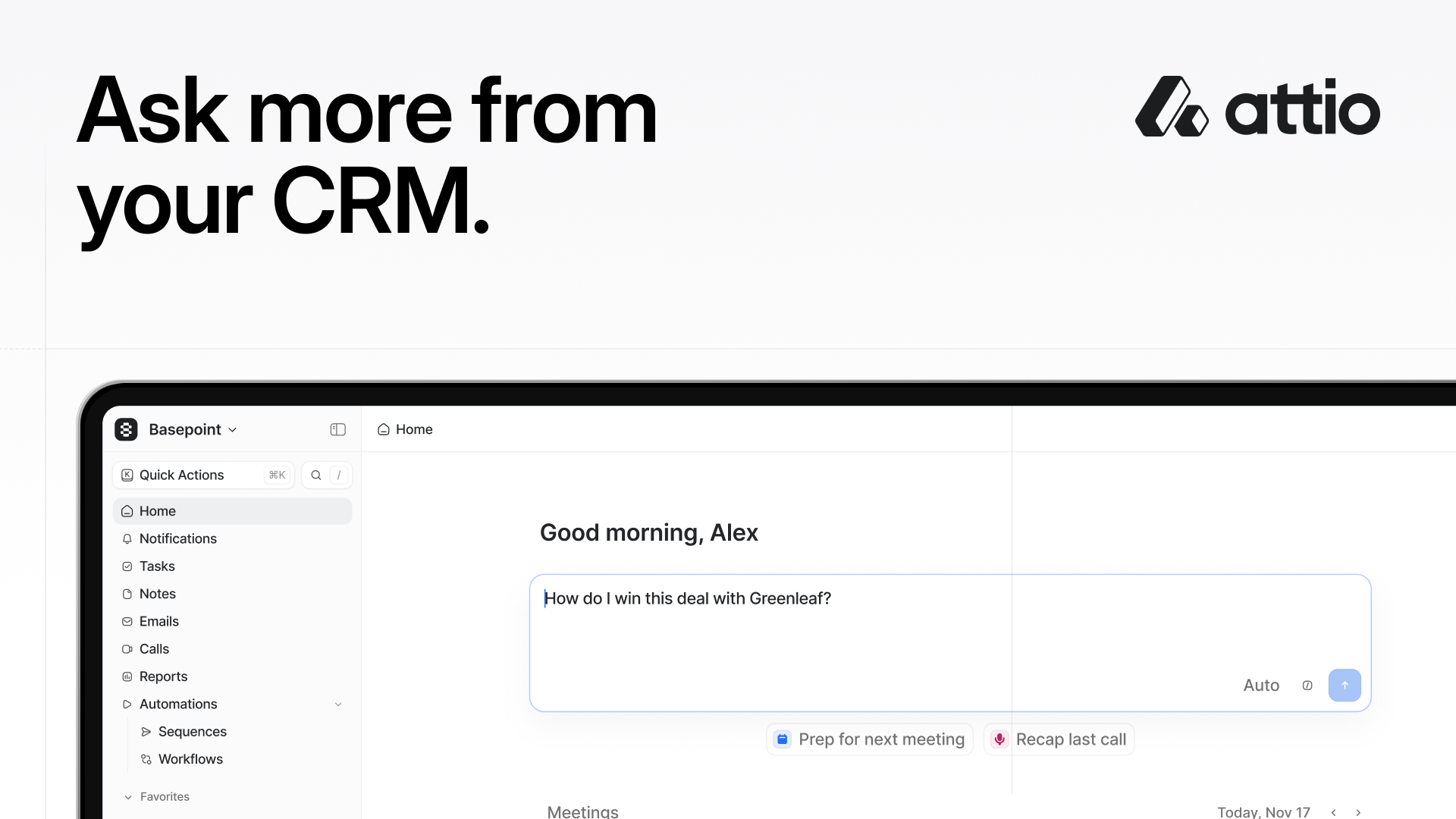
Attio is the AI CRM that keeps you ten steps ahead.
Ask Attio anything. Where should I focus? What deals are at risk? Search, update, and create across your customer data.
Ask more from CRM. Ask Attio.
Lastly,
Stay Different,
The AuDHD Exec
Disclaimer: I am not your psychiatrist, coach, doctor. Neurodiverse Diary does not provide medical services or professional counselling and is not a substitute for professional medical care. Everything I publish represents my opinions, experience, not advice.

What's your thoughts on this week's post? |
Reply