- Neurodiverse Diary
- Posts
- 👑 Heavy is the head for the ADHD manager
👑 Heavy is the head for the ADHD manager
The pressure of ultimate responsibility when focus wanders

AuDHD Exec
March 22, 2026
In partnership with


What do these names have in common?

Arnold Schwarzenegger
Codie Sanchez
Scott Galloway
Colin & Samir
Shaan Puri
Jay Shetty
They all run their businesses on beehiiv. Newsletters, websites, digital products, and more. beehiiv is the only platform you need to take your content business to the next level.
🚨Limited time offer: Get 30% off your first 3 months on beehiiv. Just use code JOIN30 at checkout.

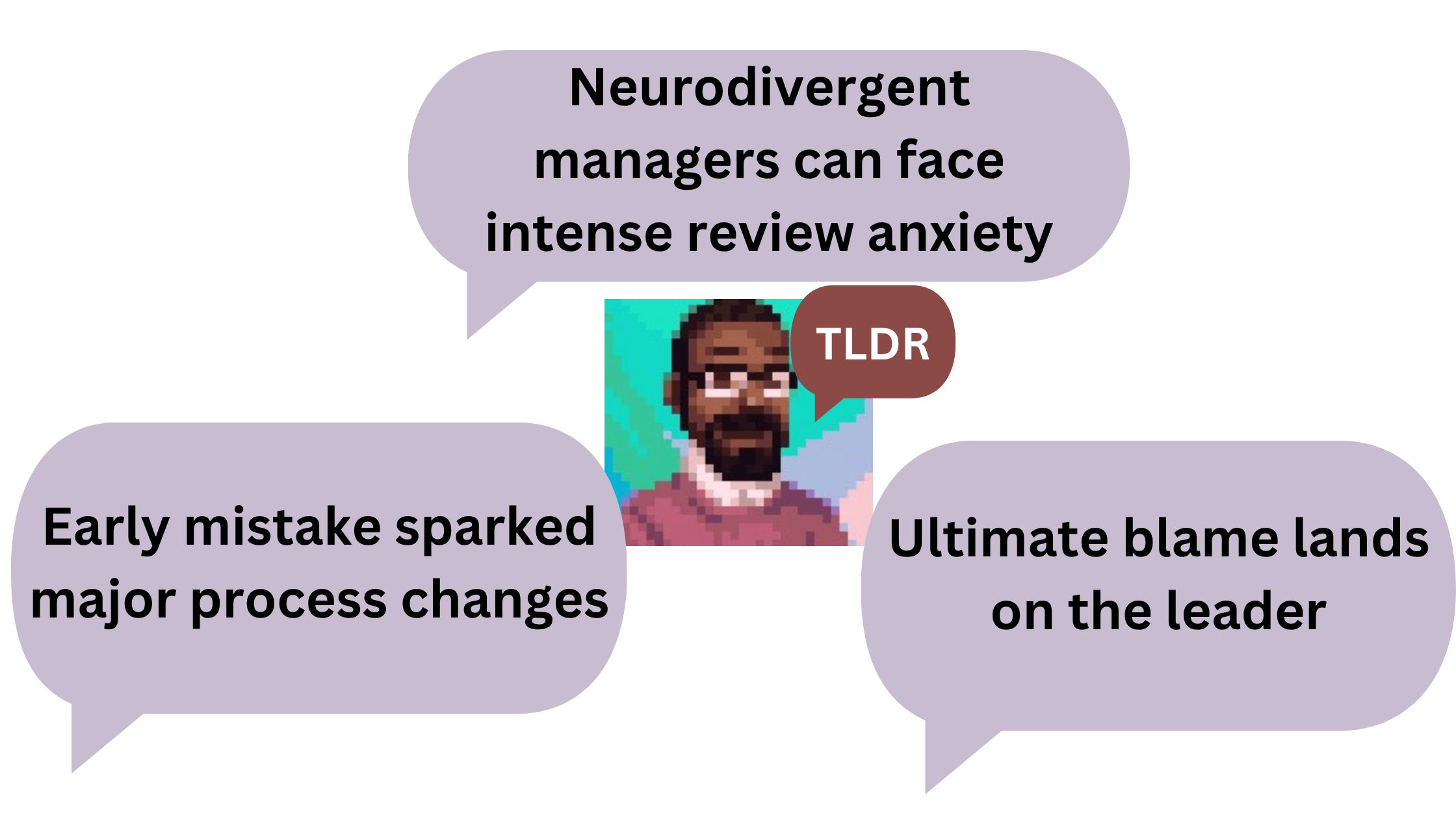
Being a neurodivergent manager comes with unique pressures. You're not just responsible for your own output, you're accountable for the team's too.
When reviewing colleagues' work, that familiar anxiety kicks in: What if I miss something? What if an error slips through and it lands on me?
The truth is, ultimate responsibility often does rest with the leader. That's the job. But when attention-to-detail challenges are part of your neurotype, the stakes feel sky-high. Deadlines amplify everything; rushing reviews can turn a manageable task into a source of dread.
I learned this the hard way early in my management journey. (I'll skip the gory details, but let's just say a preventable error made it all the way through.)
I was furious at the team member, at the process, and mostly at myself. It stung because it made me feel incompetent as a professional and supervisor. From that moment, I vowed: Never again.
I pride myself on not being a micromanager. I want to delegate trust and empower people. But when team members have their own attention or absent-minded moments (we're all human, neurodivergent or not), that trust can feel risky. Perfectionism creeps in, and suddenly reviewing feels like walking a tightrope.
Over the years, I've built strategies that help ease the anxiety without turning me into a control freak. Here's what works for me:
1. Establish clear processes and build in buffers
Set team-wide standards for deliverables, e.g.,
Checklists
Templates, or
Simple controls
Most importantly: bring your internal deadline forward. If something's due Friday, ask for it by Wednesday. This gives you breathing room to review thoroughly without panic. Mistakes happen to everyone; extra time reduces the odds.
2. Communicate feedback in writing
After any review, summarize changes or approvals via email or shared documents. It creates a clear record, reduces misunderstandings, and ensures we're all aligned, singing from the same hymn sheet.
Verbal chats are great for rapport, but written follow-ups catch details my brain might gloss over. Bullet-pointing each action.
3. Use tools and double-check rituals
Simple things like shared:
Project trackers
Version control, or
Even a quick "second pair of eyes" peer check before final sign-off can lighten the load.
I like blocking focused review time in my calendar; no meetings, just deep attention.
4. Normalize imperfection and self-compassion
Remind yourself: You're not failing if something slips once. You're building systems to catch it early.
As you climb the ladder, the stakes rise, but so does your ability to design better safeguards.
Being a neurodivergent leader isn't about becoming "neurotypical" at detail work; it's about leveraging your strengths
Creativity
Big-picture thinking
Empathy
While protecting against vulnerabilities. With the right processes, delegation becomes empowering, not anxiety-inducing.
What's one strategy that's helped you in a similar spot? I'd love to hear in the replies

If you enjoyed this post, or know people who can benefit from it. Please spread the word. They can subscribe at neurodiversediary.io/subscribe
Lastly,
Stay Different,
The AuDHD Exec
Disclaimer: I am not your psychiatrist, coach, doctor. Neurodiverse Diary does not provide medical services or professional counselling and is not a substitute for professional medical care. Everything I publish represents my opinions, experience, not advice.

What's your thoughts on this week's post? |
Reply